The office is often where we spend most of our time so it needs to be somewhere you and your staff want to be. We will guide you through different styles of partitioning, suspended ceilings, flooring, decoration and the effective use of lighting, that all combine to give the right feel to your office.
Every project is run by a Contracts Manager who will be on hand throughout the project. On site, specialist installers are available for the day-to-day issues that may arise. Our office team are also available should you need additional support at any time. During the term of the project the Contract Manager will regularly attend site meetings with you and our specialist installers to ensure complete satisfaction with the project.
A detailed programme of work will be determined and clear areas of project responsibility will be discussed and outlined. At this stage all areas are considered to ensure the minimum of disruption to client and if applicable, the general public.
With expertise of working in and around occupied and time-sensitive sites, such as community centres, schools, hospitals, high street retail outlets and businesses operating 24 hours a day, you can be assured that your refurbishment will be carried out.
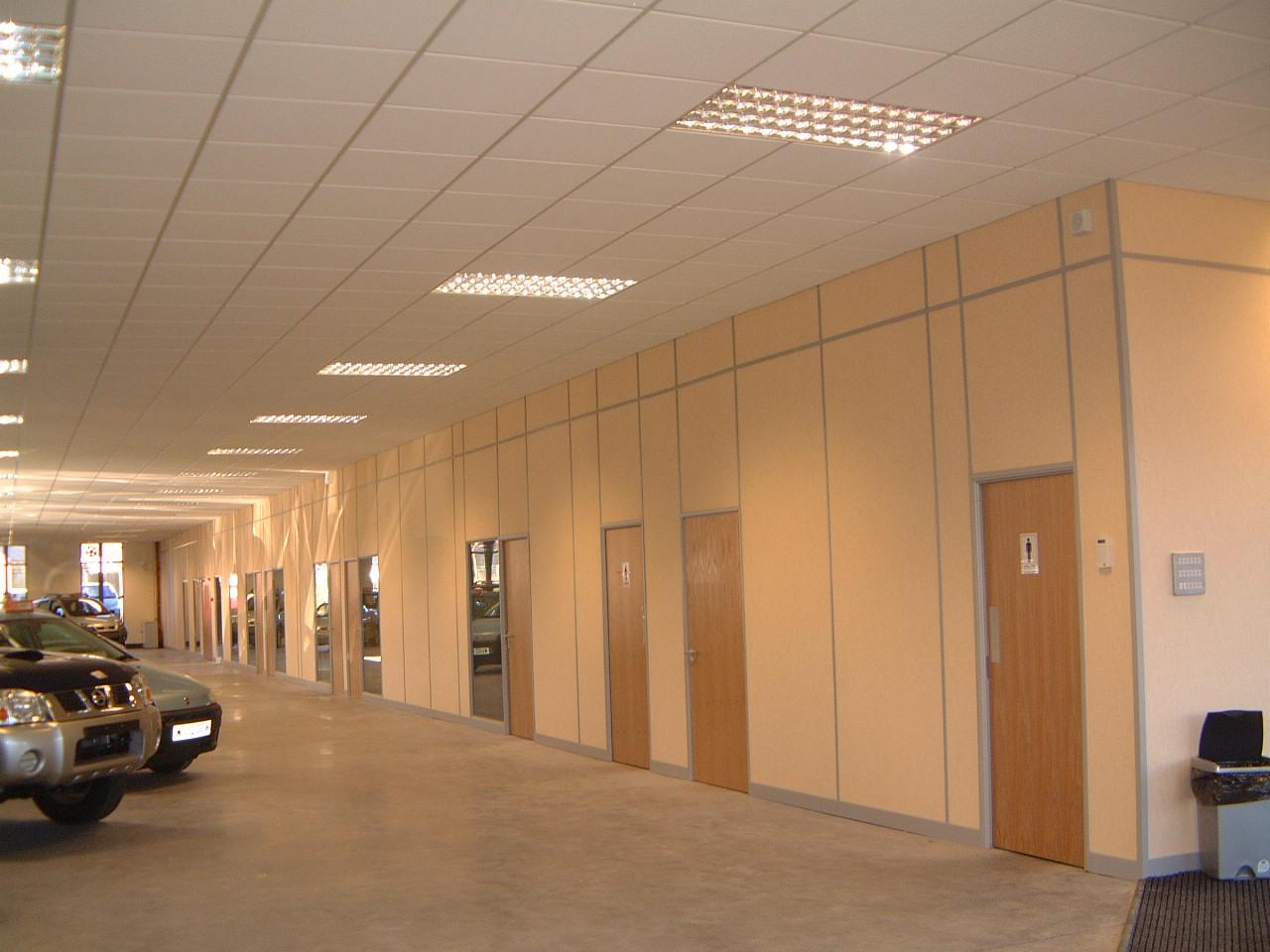
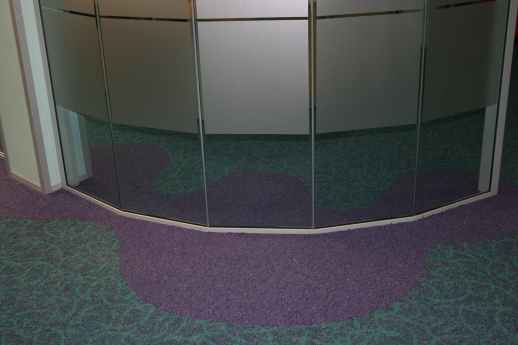
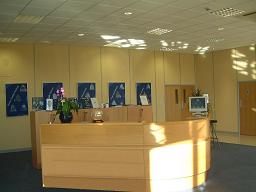
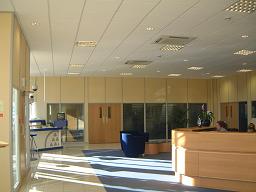
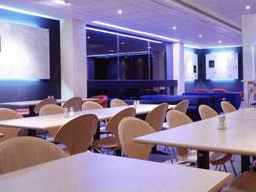
Through clear and accurate specifications, drawings and project plans we will make sure the finished project meets your expectations.
Suspended ceilings, often called drop ceilings or false ceilings, are a type of secondary ceiling installed below the main structural ceiling in offices, commercial spaces, or other buildings. They consist of a grid framework that supports lightweight ceiling panels. These ceilings are common in office buildings for both functional and aesthetic reasons.
Here’s a detailed breakdown:
1. Structure
- Grid framework: Usually made of aluminum or steel T-bars that are suspended from the main ceiling with wires.
- Ceiling tiles/panels: Lightweight panels made of mineral fiber, gypsum, metal, or PVC are placed into the grid.
- Suspension system: Wires or rods connect the grid to the structural ceiling, allowing the ceiling to “hang” below it.
2. Purpose and Advantages
- Aesthetics: Conceals structural elements, pipes, ducts, and wiring for a clean and uniform look.
- Acoustics: Many tiles are sound-absorbing, improving office acoustics and reducing noise.
- Lighting and HVAC: Allows easy integration of recessed lights, air conditioning vents, and sprinklers.
- Accessibility: Panels can be lifted to access pipes, wires, or ductwork above for maintenance.
- Insulation: Some tiles offer thermal insulation or fire resistance.
3. Common Applications in Offices
- Open-plan offices for a neat ceiling finish.
- Conference rooms and corridors where acoustic control is needed.
- Spaces where frequent access to utilities above the ceiling is required.
In short, an office suspended ceiling is a functional and aesthetic ceiling system installed below the main ceiling to improve acoustics, hide services, and facilitate lighting and ventilation.